
In medium-heavy trucks, driver safety also depends on the steering column. The SATURN steering column by Coram combines driving comfort and active protection thanks to its “collapse kinematics“—a function designed to absorb the kinetic energy generated by an impact and prevent the driver’s body from violently hitting the steering wheel. Developed for long-haul vehicles, SATURN integrates three independent adjustments—height, primary tilt, and secondary tilt—with a differentiable and sequencable locking system. The result is a more ergonomic, safe, and customizable steering column capable of meeting the real needs of daily drivers.
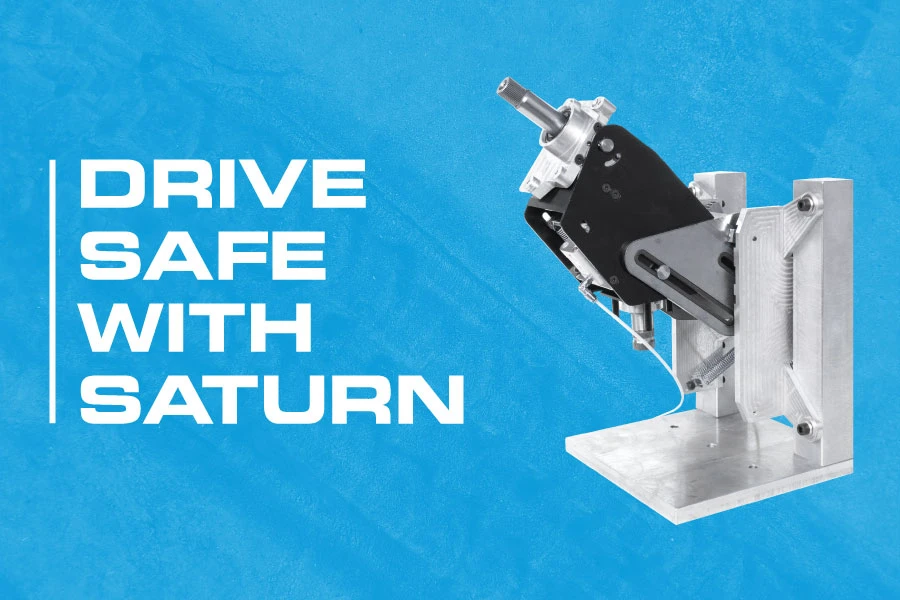
Collapse kinematics: What happens to kinetic energy during an impact
When a heavy vehicle decelerates suddenly in an impact, the kinetic energy accumulated during travel does not disappear: it must be dissipated. Without a system capable of absorbing it, this energy is discharged onto the driver’s body, and the steering wheel becomes a critical contact point for the chest, ribs, and neck. The collapse kinematics applied to the steering column transforms the column into an active element of passive safety: the structure yields in a controlled manner along the longitudinal axis, moving the steering wheel away from the driver and distributing the forces over a longer stroke, thus reducing the peak acceleration transmitted to the body.
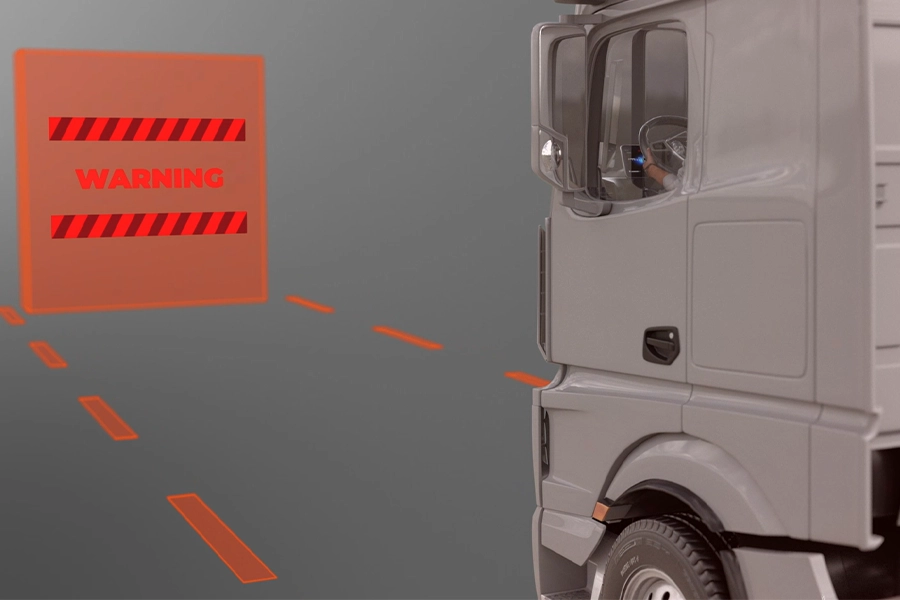
Programmed failure and torsional rigidity: The technical balance of SATURN
To function, a collapsible steering column must solve an apparently contradictory problem: it must yield in the event of an impact but remain perfectly rigid during normal driving to ensure steering precision and feedback. Coram achieves this balance through a compact and solid metal structure, the integration of aluminum components to reduce weight, and universal joint angles optimized for homokinetic performance. The result is a steering column that remains responsive in daily use and only activates as a protective element when needed.
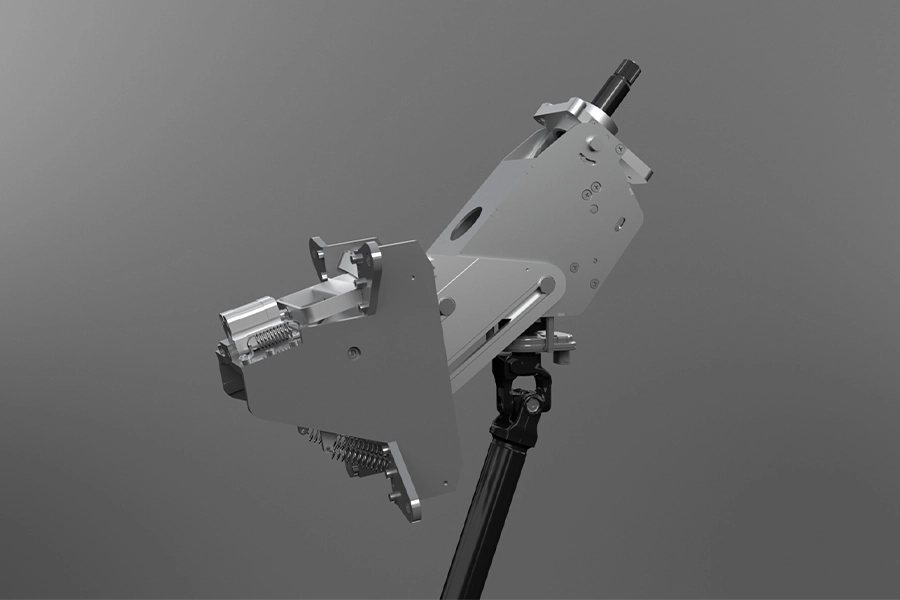
Three independent adjustments to reduce driver musculoskeletal disorders
The ergonomics of the driving position is a public health issue for those spending hours behind the wheel of a medium-heavy truck. Correct adjustment of the steering column, in height and tilt, reduces overload on the neck, shoulders, back, and upper limbs, limiting the risk of musculoskeletal disorders typical of road transport. SATURN addresses this need with three independent adjustments—height, primary tilt, and secondary tilt—managed by an electro-pneumatic control located on the dashboard or cabin floor, which can be activated sequentially or simultaneously to adapt the workstation to the individual driver’s physique.
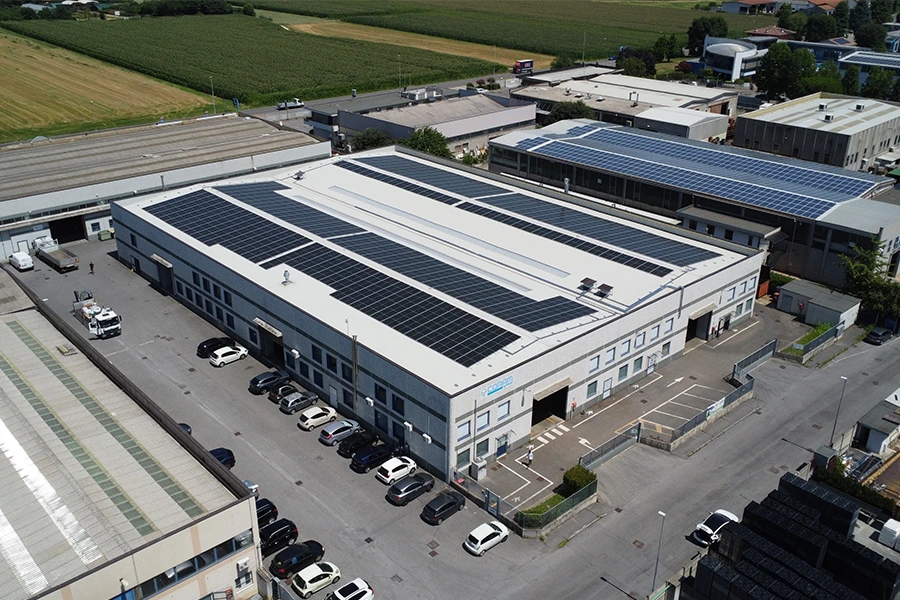
Why choose SATURN: Safety, comfort, and Coram know-how
SATURN is the synthesis of over 60 years of Coram experience in designing safety components for industrial vehicles. Developed and validated in compliance with certified quality systems (ISO 9001, IATF 16949, ISO 14001) and with ISO 3834-2:2005 welding process certification, it is designed for truck manufacturers seeking a reliable, customizable, and integrable solution (housings for control levers, ignition blocks, anti-theft devices, sensors, clock springs). A column that protects the driver in the milliseconds of an impact and safeguards their health for every kilometer traveled.